
Indigenous healers around the world, including well-known figures such as Sabina, Agustin R, Taita Juanito Chindoy, Davi Kopenawa Yanomami, Alberto Manquialef, Guadalupe González Ríos, Francisco Calixto, and Ati Medicine Woman/Bambanani Maseko, have contributed valuable knowledge to the field of holistic and trauma-informed medicine. From their practices, we can learn important lessons for treating trauma and pain.
Firstly, traditional healers take a holistic approach, recognizing the interconnectedness of a person’s physical, emotional, mental, and spiritual well-being. They address all aspects of a person’s health when treating trauma, understanding that it affects the whole being.
Secondly, indigenous healers have a strong connection to nature, utilizing plants, herbs, and natural elements to facilitate healing. This highlights the importance of connecting with nature and incorporating it into our own healing practices.
Thirdly, rituals and ceremonies play a significant role in indigenous healing practices, helping individuals process and release emotional pain. Incorporating meaningful rituals into our own healing journeys can be valuable.
Fourthly, traditional healers draw on ancestral wisdom and knowledge passed down through generations. This wisdom can provide guidance in understanding and healing trauma, encouraging us to explore our own cultural heritage for potential healing practices.
Fifthly, indigenous healing practices emphasize the role of community and social support in the healing process. Cultivating a supportive community and seeking social networks for healing are important aspects.
Sixthly, traditional healers understand the interconnectedness of the mind, body, and spirit. Addressing all aspects of the self in healing practices can be effective for treating trauma and pain.
Lastly, storytelling and narrative therapy are commonly used by indigenous healers. These techniques help individuals explore and reframe their traumatic experiences, allowing for expression, meaning-making, and transformation of narratives.
It is crucial to approach traditional healing practices with respect, cultural sensitivity, and acknowledgement of their historical context. By incorporating these lessons into modern therapeutic approaches, we can complement and enrich our understanding and treatment of trauma and pain.
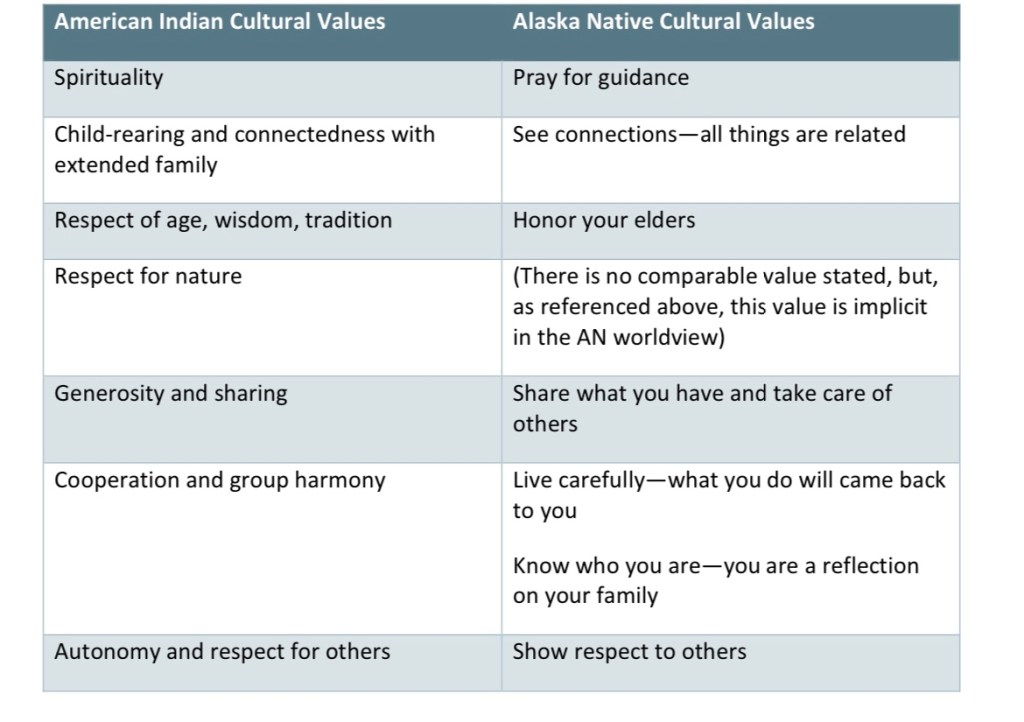
Please review: https://www.samhsa.gov/sites/default/files/tribal-tta-healing-informed-care-handout.pdf
 The Psychedelic Osteopath